For me, curating is another way of designing. My exhibitions aim to widen the field of design and give fellow designers a platform, but they often begin with a simple curiosity: how would other designers and artists approach the same question?,Seen together, their works become a form of design research, a collective inquiry whose findings take physical form.
A selection of fourteen exhibitions curated by Erdem Akan, in reverse chronological order.
The Sculptural Nature of Softness
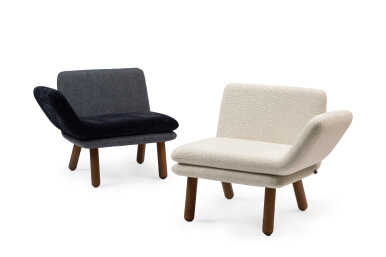
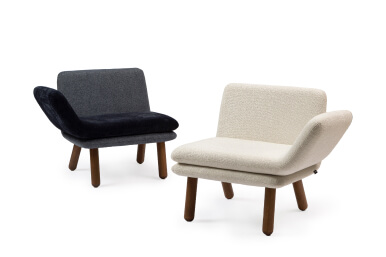
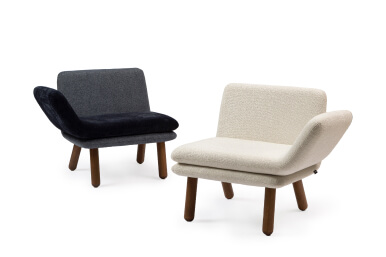
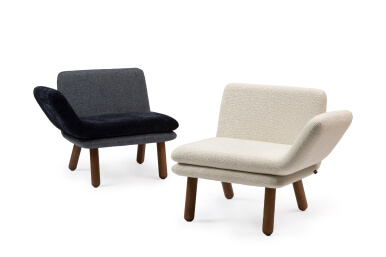
What happens to softness when it outgrows the body? Comfort is usually measured against our own scale: a cushion for the back, a seat for the hips. Big Soft sets that measure aside and asks six designers to treat softness as a sculptural quality rather than a service. In foam, textile, glass, wood and metal, their oversized objects swell, fold, embrace or seem to melt. Some call for touch; others only look soft. Comfort becomes something to enter and move around, not simply to sit on.
A Dialogue on Sitting, Thinking and Making
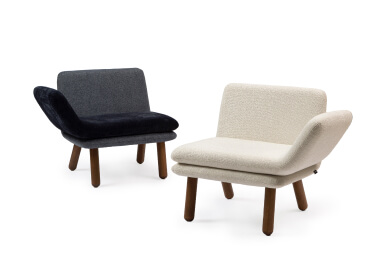
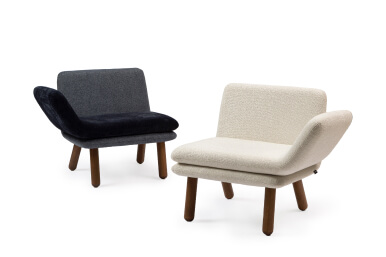
A chair is rarely used for sitting alone: we rest, read, think and work in it. Masterful sets out to understand these ordinary rituals by pairing six designers with three furniture manufacturers. Each designer composes a setting of a seat, a side table and a light, approaching furniture as a fragment of daily life rather than a standalone product. Six interiors answer the same brief in six ways, revealing how comfort, material and craftsmanship are weighed by a particular mind and made real by a particular maker.
Light, Colour and Perception
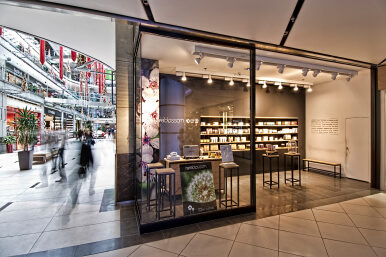
Light determines how we see colour, form and space, yet in the city it is mostly taken for granted. Light Path gives this condition a public stage. Fourteen women from art, design and architecture create eleven installations along İstiklal Avenue, moving between illumination and darkness from Gezi Park to Galataport. Staged within the Beyoğlu Cultural Route Festival, the works also carry a civic question: how do coexistence, difference and tolerance become visible in shared space? The avenue turns into a route of encounters with light.
Reinterpreting Traditional Craftsmanship
Traditional crafts live on in the hands of a few masters, often without a contemporary language to carry them forward. From Craft to Design tests what a new kind of encounter can offer. Five artists and designers enter the workshops of four master craftspeople working in hammered copper, wood, glass, bone and mother-of-pearl. Neither side leads alone: the designer’s idea is reshaped by the maker’s knowledge, and the technique by an unfamiliar brief. The resulting objects propose a future for these skills built on collaboration rather than nostalgia.
The Art of Pure Aesthetics
What remains of design when function and technology are removed? Idea Casting poses this question to fifteen designers and artists, freeing them from briefs, users and production constraints. Each translates a personal thought or preoccupation of the moment into a sculptural object, cast in bronze through a traditional technique. An ancient process lends permanence to something fleeting. Fifteen ideas take form with no purpose other than to be looked at, revealing what each participant reaches for when nothing is required of the object.
Learning from the Natural World
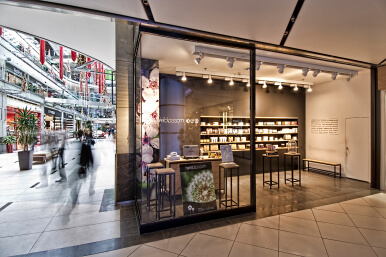
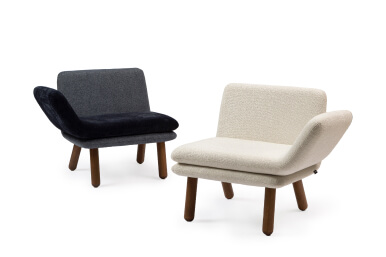
Nature is design’s oldest reference, yet designers draw on it in very different ways. Created for Addresistanbul’s fifth anniversary, Nature of Design places furniture, lighting and household objects side by side to map these approaches. Some works echo the curves, patterns and textures of the natural world; others build on its materials, structures or underlying principles. Read as a whole, the selection presents observation as a design method: close looking that leads to new forms, functions and ways of making.
An Experiment in Collective Creativity
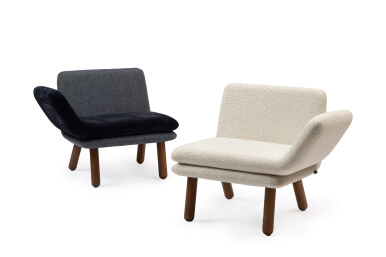
Design is usually credited to a single author. Morphing Archetypes asks what happens when authorship is shared. Seven designers each begin with a familiar archetype, from a chair to a vase, then pass their drawings on, each altering what the previous one left behind. Like a visual game of Chinese whispers, seven objects travel through seven hands. Presented as a 3D animation, the exhibition traces how an idea mutates as it moves between minds, and how much of the original survives the journey.
The Other Side of Design
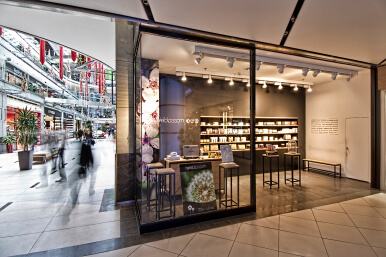
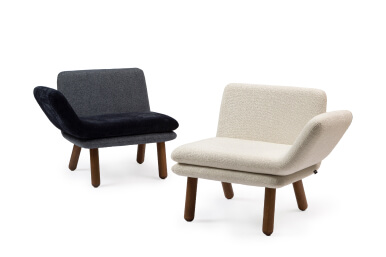
Design history is written through finished products; the ideas that fail rarely come into view. OOPS! turns to that hidden archive. It brings unrealised projects by Turkish designers into public view, each abandoned or interrupted by technical obstacles, financial limits or simple circumstance. Shown side by side, these works become evidence of how design actually happens: through trial, compromise and chance as much as intention. Failure is treated not as an embarrassment, but as a body of knowledge worth sharing.
Rethinking an Everyday Object
The coffee mug is one of the most personal objects we use, held every day and rarely noticed. Commissioned for Starbucks Türkiye’s fifth anniversary, Dream Mugs challenges designers and artists to look at it again, beyond its conventional form and function. Each response approaches the mug from a different angle: its daily routine, its shared moments, its shape. The collection measures how much character, humour and invention a single familiar form can hold.
Sex as a Subject of Design
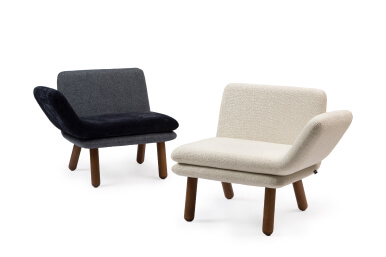
Sex runs through much of material culture, yet design seldom addresses it openly. XXX-Design takes the subject out of the private sphere and onto Istanbul’s historic Galata Bridge. Designers and artists approach intimacy, desire and social taboo with humour, curiosity and provocation, through objects, images and associations. The public setting is part of the statement: the exhibition tests how far design can open a conversation that society usually keeps behind closed doors.
An Alphabet for Turkish Design
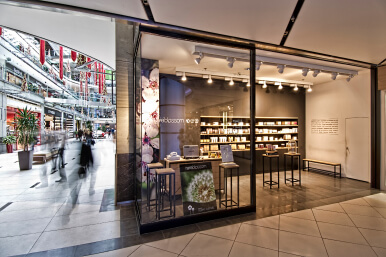
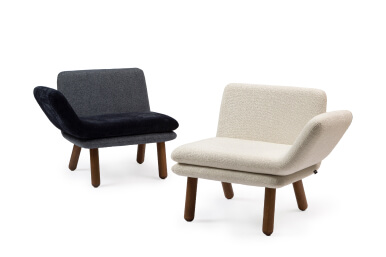
Can contemporary design build its own vocabulary from the visual culture of Türkiye? abç assembles designers working across furniture, objects, graphics, photography and performance to reinterpret familiar forms, from tea glasses to architectural details. The title condenses the ambition: the universal abc becomes the Turkish abç through a single cedilla beneath the c. A small typographic gesture stands for a larger aim, to speak a universal design language with a local accent.
New Possibilities for Discarded Materials
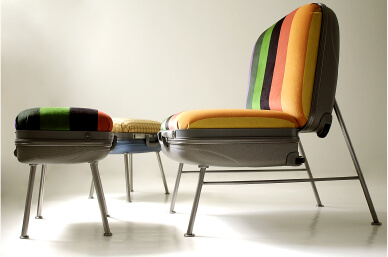
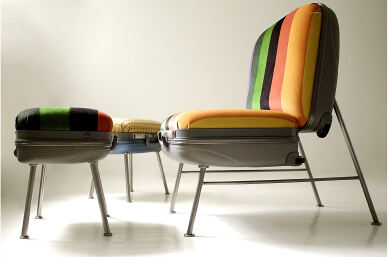
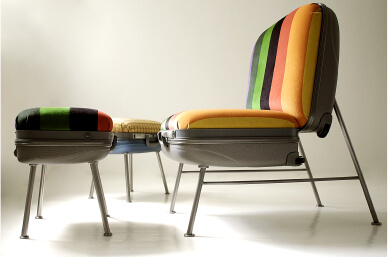
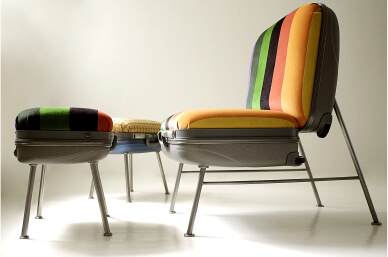
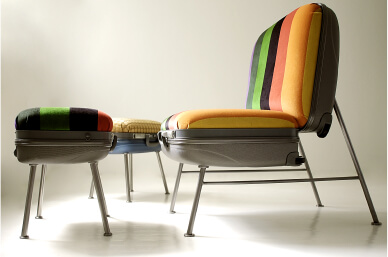
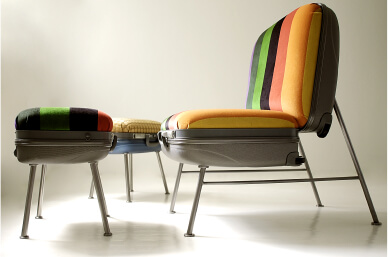
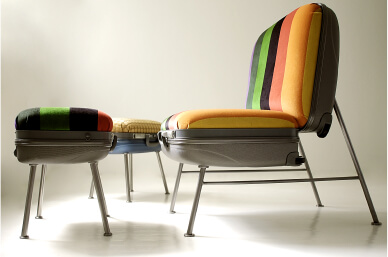
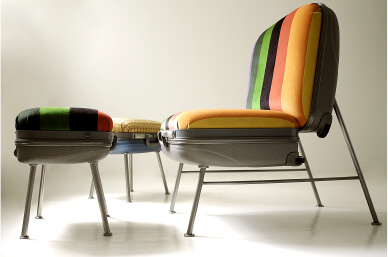
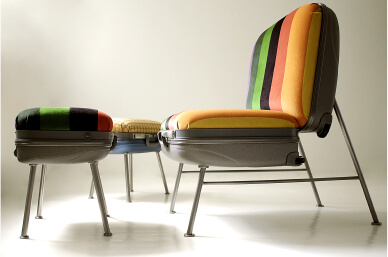
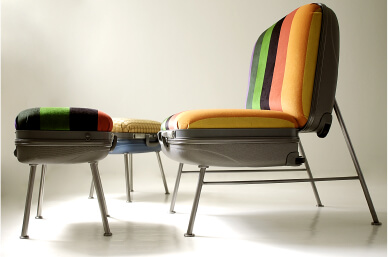
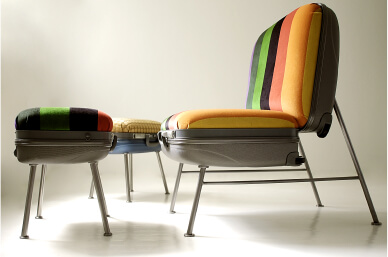
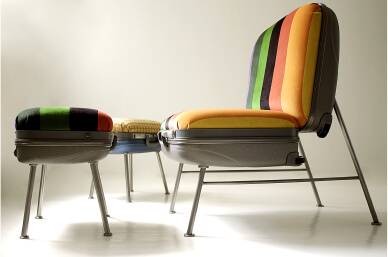
What a culture throws away says as much about it as what it keeps. Design & Recycle sets out to reconsider the value of discarded materials. Thirty-four artists and designers present 35 projects: glass, plastic, paper and packaging waste reworked into everyday objects, alongside conceptual pieces that question the consumer habits producing that waste in the first place. Familiar materials take on new forms and functions, unsettling assumptions about what is worthless and what deserves a second life.